Advertorial
UPDATE – Derila Ergo is currently on a LIMITED TIME SALE. However, it may still be available on the website HERE
6 min read
New Moms Are Calling It “Breastfeeding Back” — And Experts Say Your Sleep Posture Could Be Making It Worse Every Night
When renowned Japanese pain specialist Dr. Hiroko Tanaka made a shocking discovery at the Tokyo Spine Institute, even her colleagues couldn't believe it.
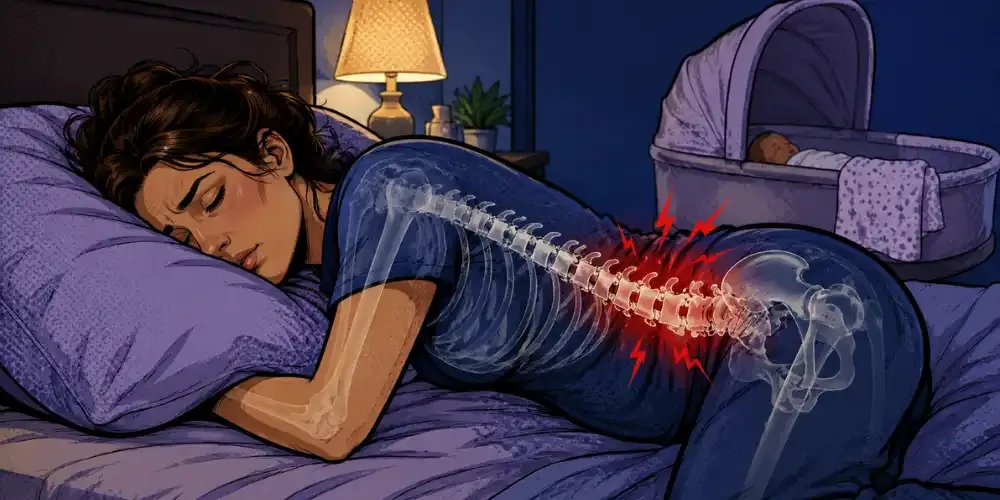
"What we found in our sleep lab was disturbing," Dr. Tanaka reveals. "83% of moms are literally damaging their bodies every single night - and they have no idea."
Here's the terrifying truth: That ordinary pillow on your bed is silently destroying your health.
Using advanced muscle monitoring technology, Dr. Tanaka's research showed something alarming: During pregnancy, postpartum recovery, and breastfeeding, your body becomes more vulnerable to spinal pressure, muscle strain, and postural imbalance.
"It's like torture for your body," Dr. Tanaka explains. "Think about it - you wouldn't sit with your back twisted for 8 hours during the day. But that's exactly what your regular pillow may be forcing your body to do every night."
This explains why:
Your back pain keeps returning every morning
You wake up stiff, sore, and physically drained
Your lower back feels locked up when getting out of bed
Your shoulders and upper back stay tense all day
Expensive treatments only work temporarily
And according to Dr. Tanaka's research, for many moms, this is where the real damage begins...
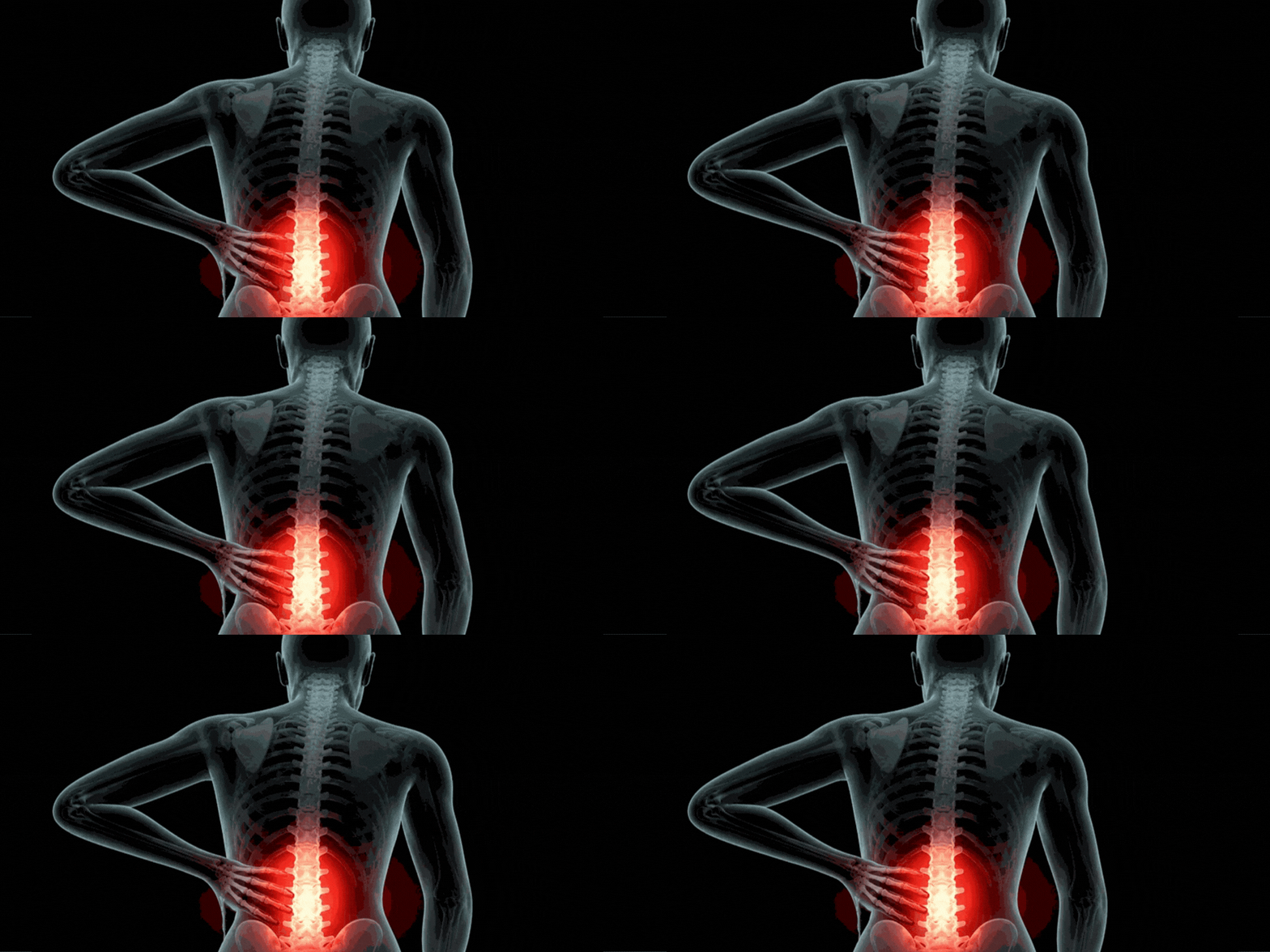
The Shocking “Spinal Strain Cycle” Your Pillow May Trigger Every Night
Dr. Tanaka's research revealed something even more alarming - what she calls "The Nighttime Spinal Strain Cycle"
"What starts as poor support around the head and neck," warns Dr. Tanaka. "We discovered that this nightly muscle tension can quickly travel into the shoulders, upper back, mid-back, and lower spine"
Here's what happens while you sleep:
First, your pillow fails to support the natural curve of your neck.
Then your shoulders collapse forward or twist.
Finally, your spine compensates for hours, forcing the back muscles to stay activated instead of resting.
But it gets worse.
For pregnant women, extra belly weight already places more pressure on the lower back, hips, pelvis, and spine.
For postpartum moms, weakened core muscles and recovery stress can leave the back unstable and vulnerable.
For breastfeeding moms, long feeding sessions often create rounded shoulders, neck tension, and upper back strain.
The result? A painful cycle that gets worse over time:
Your back feels inflamed and stiff every morning
Your spine feels compressed after sleeping
Your muscles feel exhausted before the day even starts
Daily pain starts feeling “normal”
Your body feels older, weaker, and more fragile
"Most disturbing," Dr. Tanaka adds, "is that traditional treatments can't stop this cascade. As long as you're using a regular pillow, you're resetting this damage cycle every single night."
The worst part? Many women ignore the warning signs.
They assume back pain is just part of pregnancy.
They assume postpartum pain is normal.
They assume breastfeeding tension is something they just have to tolerate.
But if your spine is being forced into poor alignment night after night, your back pain may not be random.
It may be a predictable result of poor sleep posture.
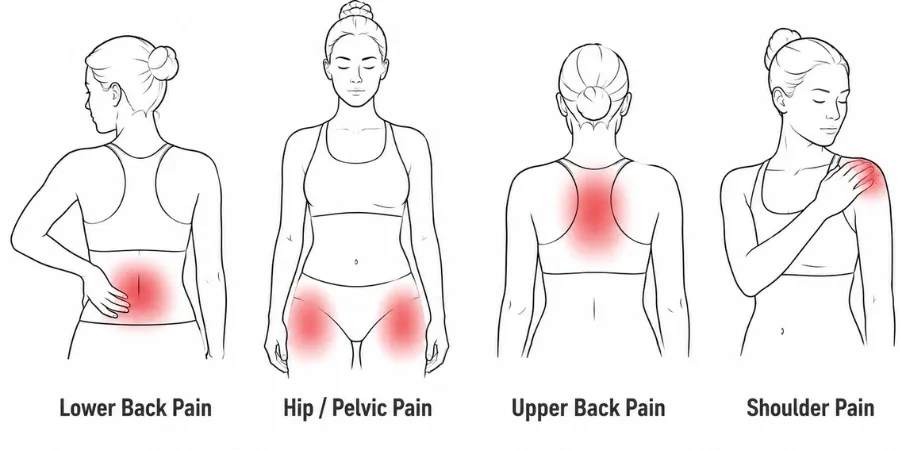
URGENT: Your Pillow May Be Making Motherhood Back Pain Worse Every Single Night
“What worries specialists is that many moms treat the symptoms during the day but keep repeating the same harmful sleep position every night,” explains Dr. Tanaka. “That means the body never gets a chance to recover.”
During her 25-year study at the Tokyo Spine Institute, Dr. Tanaka saw a troubling pattern emerge. Those seemingly innocent pillows weren’t just causing discomfort — they were putting the spine under nightly stress and creating what she calls a “neurological nightmare.”
🚨 You might be at risk if you're experiencing:
Lower back pain when you wake up
Stiffness that feels worse in the morning
Tension across your hips, back, or shoulders
Pain after nursing, carrying, or rocking your baby
Feeling like your body never fully recovers overnight
"But here's what really makes my blood boil," Dr. Tanaka says. "The medical industry is making a fortune from your suffering."
THE SHOCKING TRUTH ABOUT TEMPORARY BACK PAIN FIXES:
Heating pads may only calm the discomfort for a few hours
Massages can feel good, but the tension often comes back overnight
Stretching helps during the day, but it doesn’t fix poor sleep posture
Pain relievers may mask the problem without addressing the nightly cause
"I've watched too many moms empty their wallets on temporary fixes," Dr. Tanaka explains. "Meanwhile, their pillow - the real culprit - keeps destroying their health every single night."
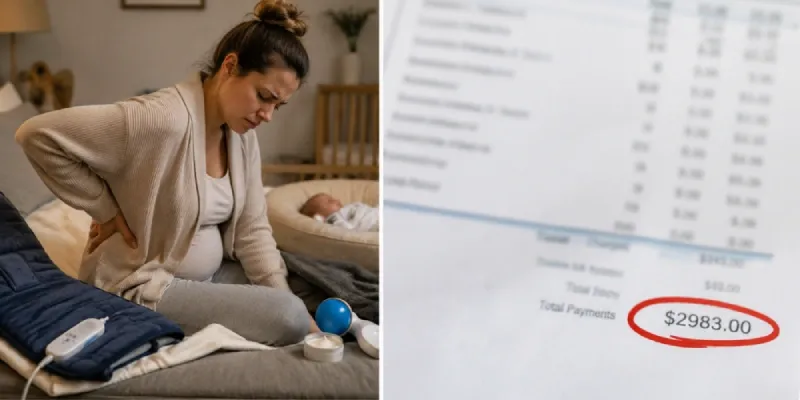
THE REAL PRICE OF TEMPORARY BACK PAIN FIXES:
Quick fixes may bring relief for a few hours
But the tension often returns the very next morning
Many moms end up spending more on temporary solutions
All while the real overnight trigger continues unchecked
The real cost: not just money — but lost energy, broken rest, and a body that never feels fully recovered.
And that’s the cycle many moms get trapped in: temporary relief during the day… followed by the same painful sleep position at night… then waking up sore and starting all over again.
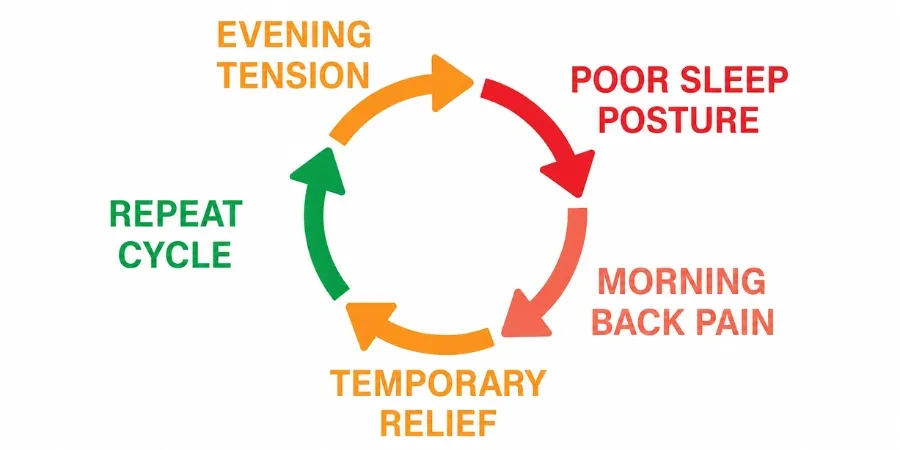
After watching thousands of moms wake up with back pain morning after morning, Dr. Tanaka knew there had to be a better way. She combined modern sleep science with ergonomic spine-support principles, and what she discovered changed everything.
"Many moms try to treat back pain during the day," Dr. Tanaka explains. "But if their sleep position keeps putting pressure on the spine at night, discomfort can keep coming back."
Working with an elite team of sleep experts and ergonomic specialists, Dr. Tanaka helped develop something different. "When moms first see it, they're skeptical," she admits. "But after just one night, they understand. This isn't just about comfort - it's about better sleep support."
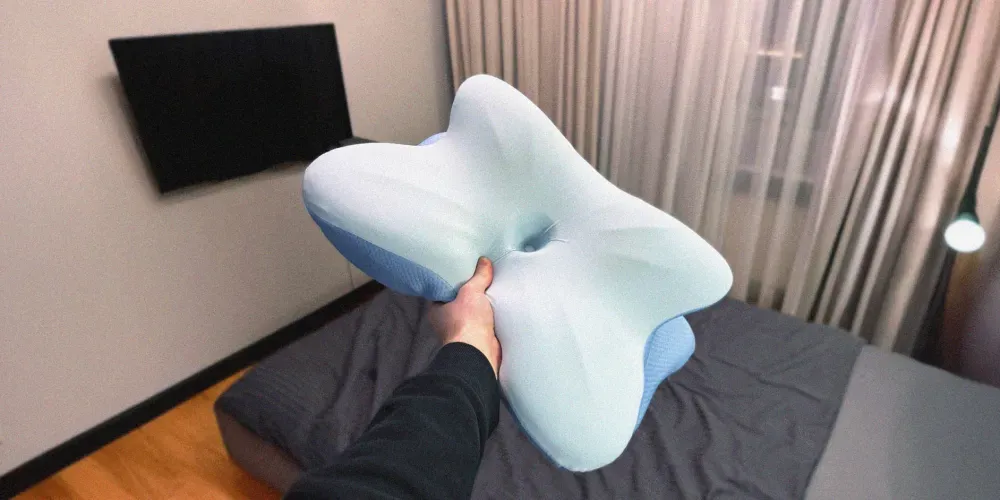
Working with an elite team of sleep experts and ergonomic specialists, Dr. Tanaka helped develop the revolutionary Derila Ergo Pillow.
The Science Behind This Breakthrough:
The Science Behind This Breakthrough: Dr. Tanaka's research revealed three critical factors for better overnight back support:
Your spine needs to stay properly supported
Pressure on the lower back must be reduced
Your hips and shoulders need better alignment
The result? A pillow that looks different because it IS different.
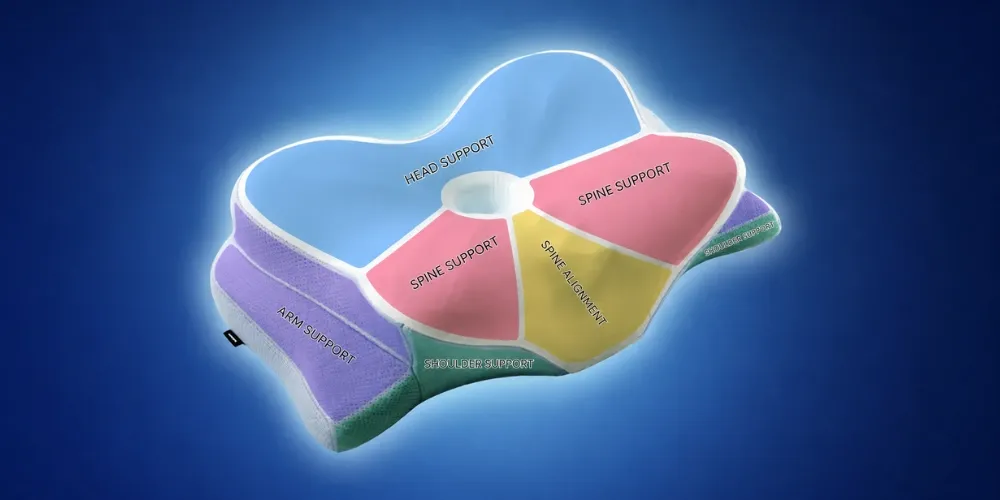
"In our sleep studies, we observed something remarkable," Dr. Tanaka notes. "When moms had better overnight support, the pressure on the spine appeared to ease, and many noticed less morning back tension after just a few nights."
WARNING: Yes, this pillow might look unusual at first glance. But don’t let its appearance fool you. It’s the result of years of research into sleep posture, pressure distribution, and proper spinal support.
And once moms experience the difference, many realize their ordinary pillow may have been making their back discomfort worse every single night.
The Overnight Back Support Technology That’s Changing Moms’ Mornings
What makes this pillow different is what we discovered about pressure distribution. Traditional pillows can create what we call “back tension hotspots” — areas where pressure builds around the spine while moms sleep
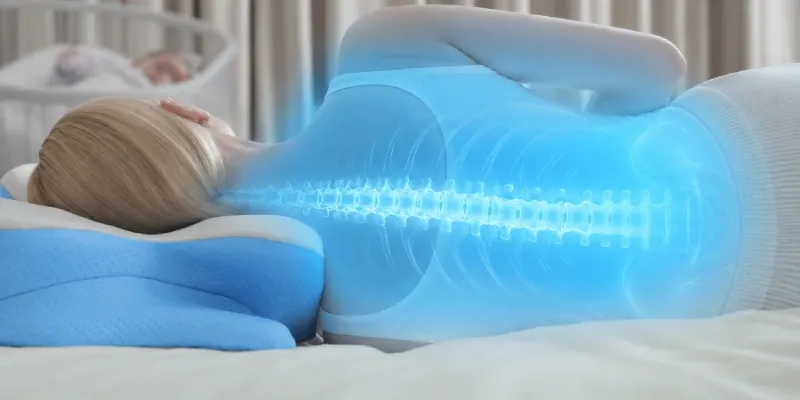
The Breakthrough Science Behind Better Back Support:
Through thousands of sleep observations at the Tokyo Spine Institute, Dr. Tanaka’s team identified what moms need for better overnight back support:
Back sleepers? Your lower back needs steady support so the spine can rest in a more natural position. Without it, pressure can build through the lower back all night long.
Side sleepers? Your hips, shoulders, and spine need better alignment. Otherwise, your body can twist into positions that leave your back feeling stiff by morning.
Stomach sleepers? You need support that helps reduce strain through the back and hips instead of forcing your spine into an uncomfortable curve.
"But here's where our breakthrough changes everything," Dr. Tanaka explains. Her voice rises with excitement as she describes what they discovered.
Their research led to a support system that:
Helps spread pressure more evenly while you sleep
Keeps your spine straight as an arrow all night
Hits those healing pressure points just right
Finally, it helps moms wake up with less tension and better overnight support.
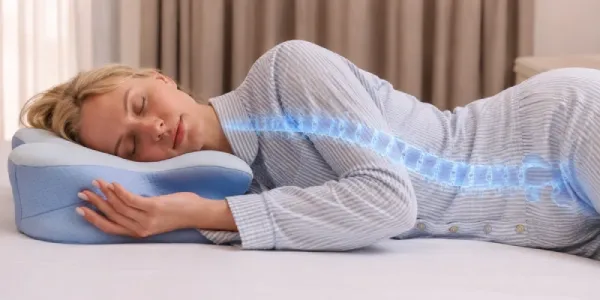
What's Really Happening to Your Back Right Now
Dr. Tanaka’s sleep posture observations revealed something many moms never realize. Night after night, small areas of pressure can build around the lower back, hips, and shoulders while the body is trying to rest.
"Most moms don’t notice the problem while they’re sleeping," she explains. "But if the spine is not properly supported, the same areas can stay under stress for hours — and that tension often shows up the next morning."
Think of it like this: right now, as you’re reading this, your back may already feel tight or tired. Now imagine that same tension multiplied by eight hours of poor support while you sleep.
Dr. Tanaka's research shows that a proper support system needs to:
Release trapped lower-back tension (like a gentle, all-night massage)
Hit those natural lower-back points (the same ones bodyworkers target)
Stop back pressure from building up (no more morning back stiffness)
Keep your spine properly supported (like an invisible posture coach)
"After working with thousands of patients," Dr. Tanaka adds, "I can tell you this: your body is already under enough stress during pregnancy, postpartum, and daily baby care. At night, it needs the right support to finally rest."
EXCLUSIVE: Dr. Tanaka Reviews My 9-Week Back Support Journey with Derila Ergo
When I shared my sleep diary with Dr. Tanaka, she noticed something fascinating about how the body can finally rest when given proper support. She walked me through each stage of relief, explaining what was happening beneath the surface.
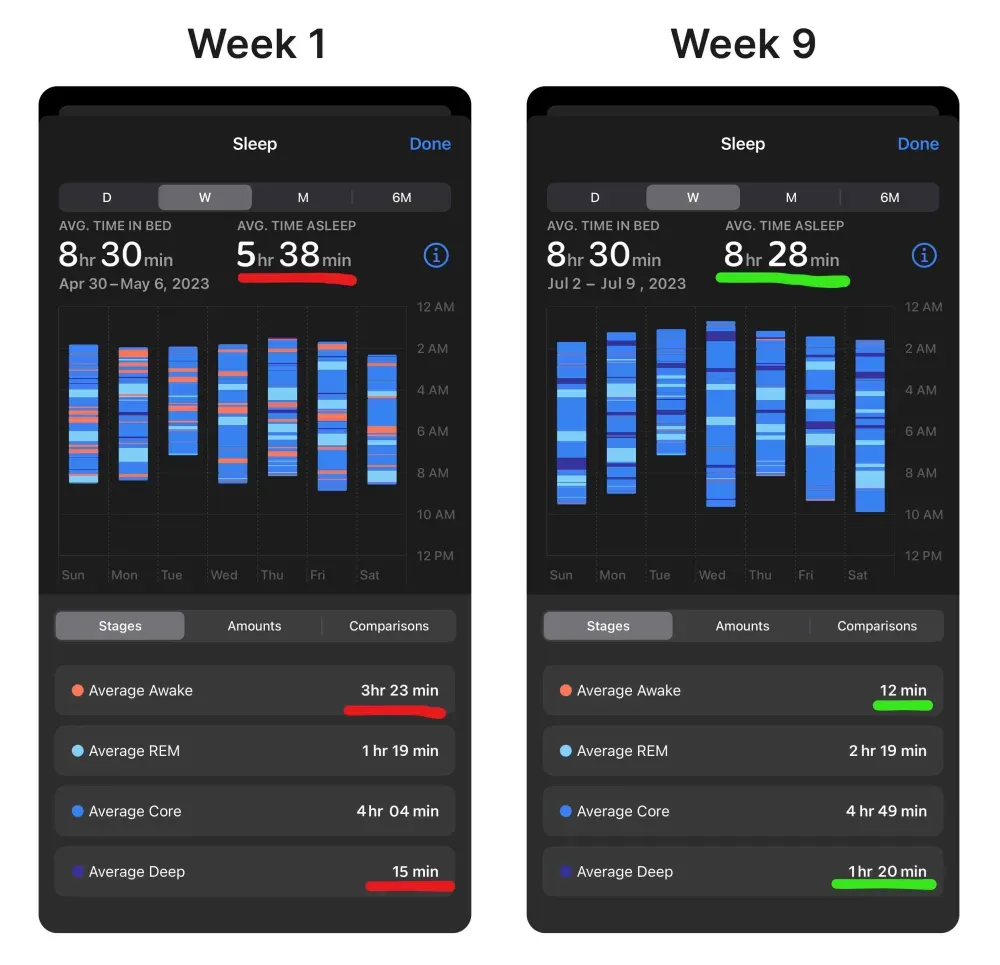
Week 1: The Support Begins
"This is exactly what we observed in our sleep studies," Dr. Tanaka explains, pointing to my early entries. "The body begins to adjust cautiously, like testing new waters."
My Experience:
Night 1-2: Subtle adjustments as my body adapted
Night 3: First noticeable reduction in back tension
Night 4-7: Waking up feeling surprisingly refreshed
"Your lower back was finally getting the support it had been missing," Dr. Tanaka explains. "Like a tight knot slowly easing."
Week 5: Noticeable Changes in Overnight Support
"This is when the real difference becomes clear," Dr. Tanaka notes, reviewing my smart watch data. The patterns were hard to ignore:
DOCUMENTED CHANGES:
Sleep felt deeper and less interrupted
Morning stiffness became less noticeable
Back tension felt easier to manage
Pain levels felt lower than before
🚨 WARNING FROM DR. TANAKA: "The strain from poor sleep support can build up over time. The sooner moms improve their sleep position, the better chance their body has to rest properly."
Week 9: Complete Back Support Transformation
Dr. Tanaka wasn’t surprised when I mentioned I was finally sleeping more comfortably again.
"When the body gets better overnight support, it can finally rest in a more natural position," she explains.
The changes were dramatic:
My sleep felt deeper and more restful
My body felt less tense when I woke up
Morning pain? Completely gone
I was finally getting the kind of sleep I hadn’t had since before motherhood.
"These results mirror what we’ve seen in thousands of moms," Dr. Tanaka confirms. But then her expression becomes serious: "Here’s what concerns me: every night spent with poor sleep support can keep adding pressure to the back."
[IMPORTANT UPDATE]: An amazing amount of excitement has been created around this breakthrough because moms are finally paying attention to how sleep posture may affect morning back pain. Because of its popularity and positive reviews, the company is now offering an exclusive deal. The first 200 readers who click the button below will receive a 70% discount for first-time buyers.
📋 SUPPORT ADVISORY: "After seeing thousands of moms struggle with back discomfort, I believe better overnight support should not be ignored." - Dr. Tanaka
⚡ WARNING: Due to high demand, stock is moving quickly. Previous batches sold out in under 4 hours.
What Are Other Moms Saying About Derila pillow?
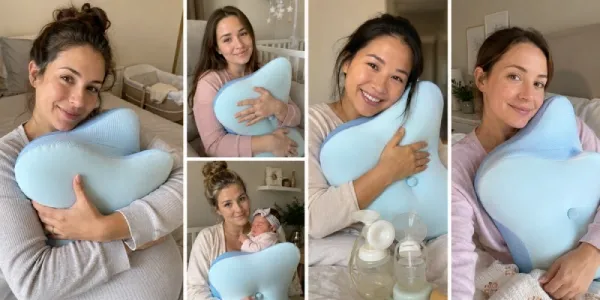
Jessica M, US 🇺🇸
⭐⭐⭐⭐⭐
After my second baby, my back pain was terrible every morning. I thought it was just from carrying the baby all day, but my pillow was clearly making it worse. This helped my neck, shoulders, and back feel much more supported
Amanda R, US 🇺🇸
⭐⭐⭐⭐⭐
Pregnancy made my lower back feel painful and stiff. I tried using extra pillows everywhere, but nothing fixed the way my spine felt when I woke up. Derila helped me sleep in a much better position.
Lauren K, CA 🇨🇦
⭐⭐⭐⭐⭐
Breastfeeding destroyed my upper back and shoulders. I didn’t realize how much my sleep posture was adding to the pain. This pillow gave me support in places my regular pillow never did.
Susan W, US 🇺🇸
⭐⭐⭐⭐⭐
I bought it because my back hurt every single morning after having my baby. After a few nights, I could feel the difference. My neck and shoulders weren’t collapsing the same way, and my back felt less stiff.
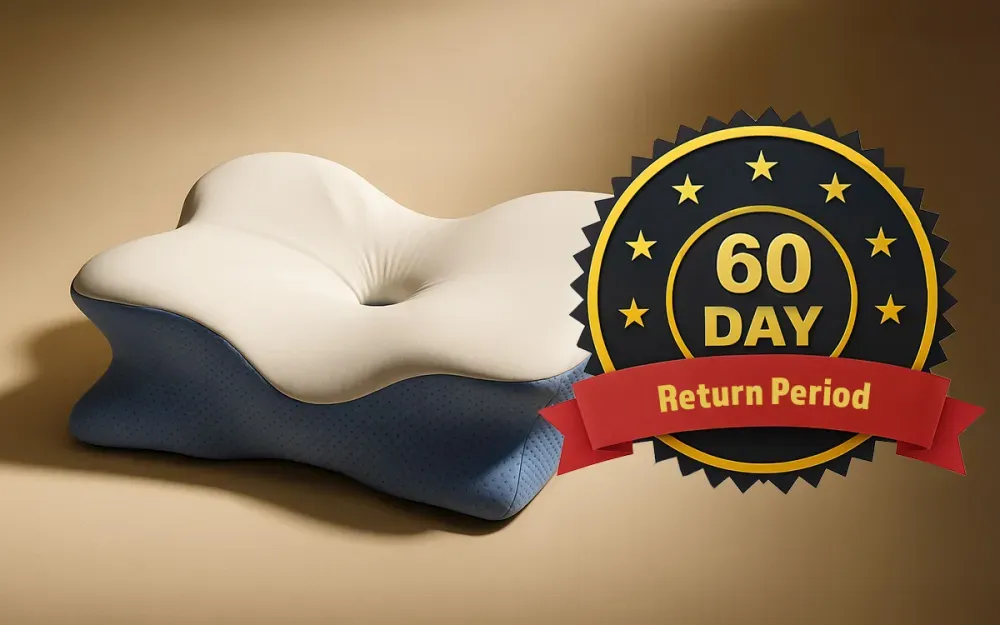
Derila offers a 60-day return period
You don’t have to take our word for it — or even Dr. Tanaka’s. You risk nothing. If your package arrives and you decide not to open it, just send it back within 60 days for a full refund — no hassle, no questions asked.
Think about it: massages, heating pads, and temporary fixes can add up quickly. And for many moms, the relief only lasts until the next morning.
Meanwhile, Derila Ergo is a one-time purchase designed to support better sleep posture night after night. And it’s made to last for years.
The difference? Most temporary fixes only calm the discomfort for a while. But Derila helps support your body where moms need it most — through the back, hips, shoulders, and spine — while you sleep.
Join over 100,000 customers who’ve already discovered what better overnight support can feel like.
🚨EDITOR’S NOTE: LAST CHANCE to take advantage of the massive 70% OFF Warehouse Clearance Sale discount.
How To Get The Derila Ergo For A 70% Discount
If you want to try the Derila ERGO yourself, it's only available through their official website.
They're currently offering new customers 70% off, plus free shipping.
They also offer a 60-day return period in case you change your mind.
Just head to their website through the button below:
Quick note: They've been getting a lot of attention lately, so stock has been going in and out. If you're interested, I'd check soon while they still have units available.
This is an advertisement and not an actual news article, blog, or consumer protection update
MARKETING DISCLOSURE: This website is a marketplace. As such you should know that the owner has a monetary connection to the product and services advertised on the site. The owner receives payment whenever a qualified lead is referred but that is the extent of it.
ADVERTISING DISCLOSURE: This website and the products & services referred to on the site are advertising marketplaces. This website is an advertisement and not a news publication. Any photographs of persons used on this site are models. The owner of this site and of the products and services referred to on this site only provides a service where consumers can obtain and compare.
The offer is not intended to diagnose, treat, cure, or prevent any disease. The offer does not constitute medical advice. The offer is not a substitute for medication or other treatment prescribed by a physician or health care provider. Users should consult a doctor before starting any treatment.
The offer does not constitute medical advice. The offer is not a substitute for medication or other treatments prescribed by a doctor or healthcare provider. Users should consult a doctor before starting any treatment.